

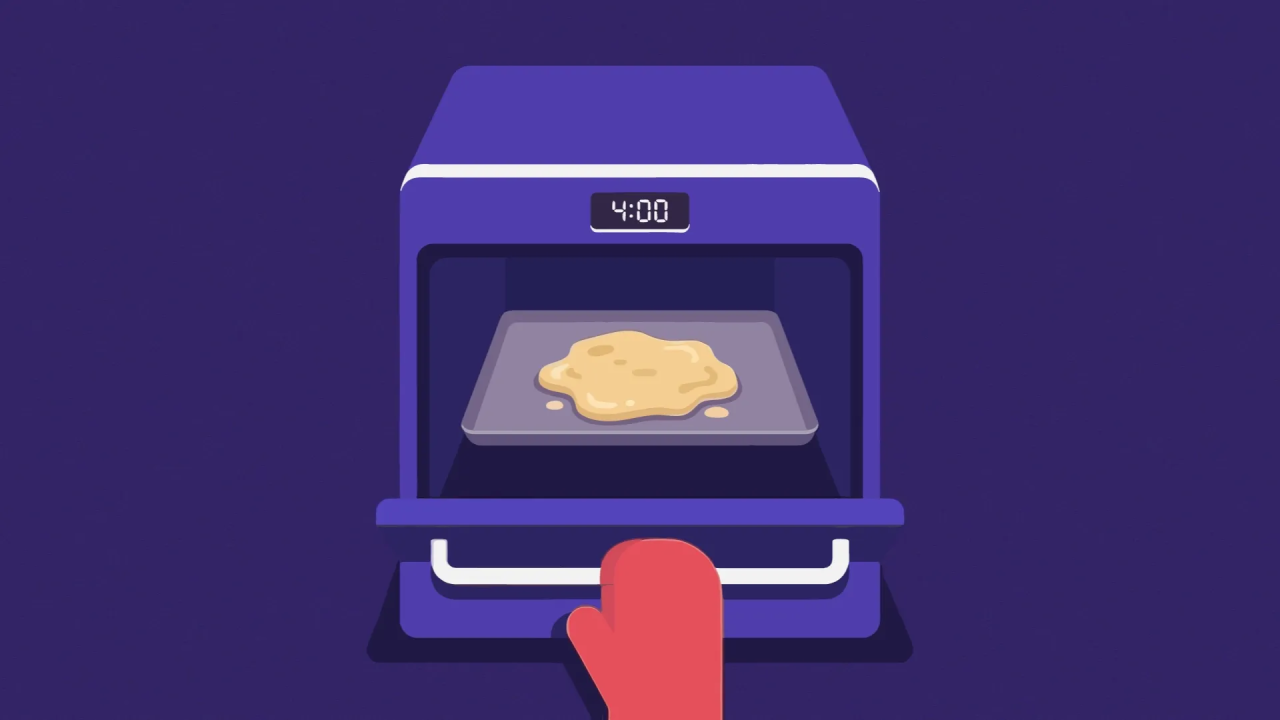
Welcome to Edition 6 of the MOAT.
Six months. That's how long it's been since I started this newsletter, and honestly, time has flown by. Hearing from you through honest reviews, opinions, suggestions, and insights has been one of the best parts of this journey.
With winter setting in across India, I grabbed some hot coffee and thought it was the right time to talk about something that keeps coming up in my conversations with founders and leaders. Something that's actually close to my heart.
Belief.
Not the inspirational poster version. The uncomfortable, messy, expensive kind. The kind that shows up in the gap between what we say in all-hands meetings and what we say in elevators five minutes later.
Hope you enjoy this edition. Coffee ready?
You know that moment after an all-hands meeting when everyone's walking back to their desks? Leadership just talked about how people are the company's greatest asset. How we believe in growth. How mistakes are part of learning.
Then the elevator doors close. Someone asks how a new hire is doing.
"She's struggling. I don't know if this is working out."
Three weeks. That's how long she'd been there.
This gap shows up everywhere. The public story about supporting people and the private scorecards we all keep. We've gotten fluent in corporate bilingualism. One language for the stage, another for behind closed doors.
The distance between those two conversations? That's where something important gets lost.
Two skills matter more than technical competence in most organizations: wearing the right mask and avoiding rapid judgment from people who control your trajectory.
Corporate environments reward people who perform the version of themselves that survives. Because authenticity without a safety net feels risky and most places don't have safety nets. They have safety net language in the culture deck.
Companies put "psychological safety" in their values and celebrate "learning from failure" in town halls. Then someone stumbles and there are three-strike rules, performance improvement plans, and quiet conversations about "fit."
People notice the gap between what gets said and what gets rewarded. They just can't point it out because that itself isn't safe to say in environments claiming to be safe.
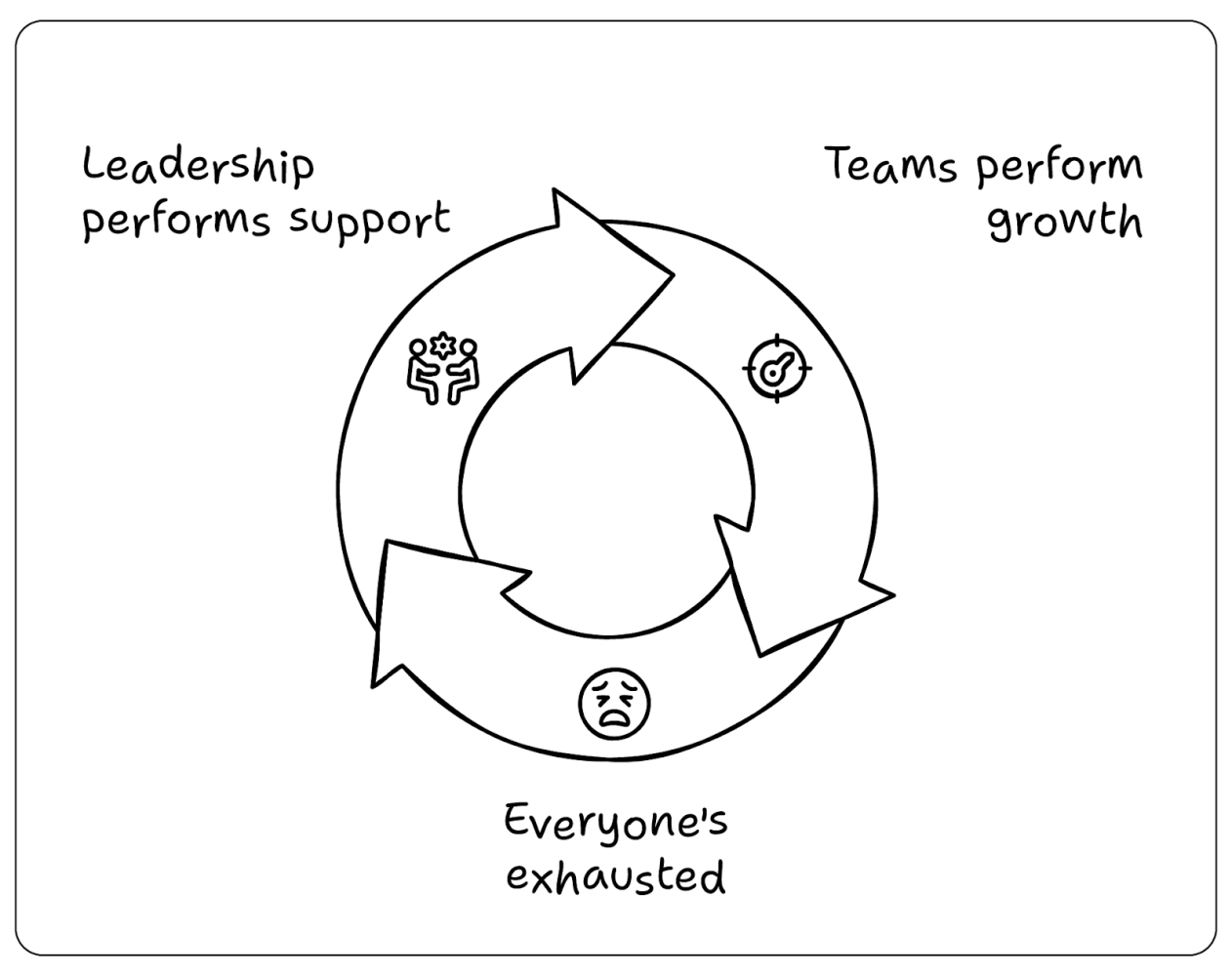
So everyone learns to perform. Leadership performs support. Teams perform growth. And everyone's quietly exhausted from maintaining the act.
The real friction point is timelines. Organizations want growth mindset outcomes on fixed mindset schedules.
When receiving feedback, people want patience. Time to learn. Space for mistakes. Understanding that growth isn't linear.
When giving feedback? Two weeks feels long. Three weeks feels generous. A month feels like every possible chance.
That math doesn't work.
Take non-traditional hires. Someone smart but green to the industry. The first few months are rough. Unanticipated mistakes. Underestimated learning curves. The pressure to course-correct quickly is intense. Every mistake feels visible. The path of least resistance? Cut losses early and find someone "ready."
But belief isn't belief if it only exists when things go smoothly.
Staying uncomfortable longer than feels natural. Longer than other people think is smart. Long enough for actual learning, not just adjustment.
Eighteen months later, the person who couldn't handle a client call alone is running deals independently. The questionable hire in month three becomes someone the company fights to keep.
At week three, or even month six, moving on would've felt justified. The data would've supported it. Other people would've understood.
And it would've been completely wrong.
What does real belief look like in practice? Not the inspirational poster version, but the uncomfortable day-to-day kind that actually changes outcomes.
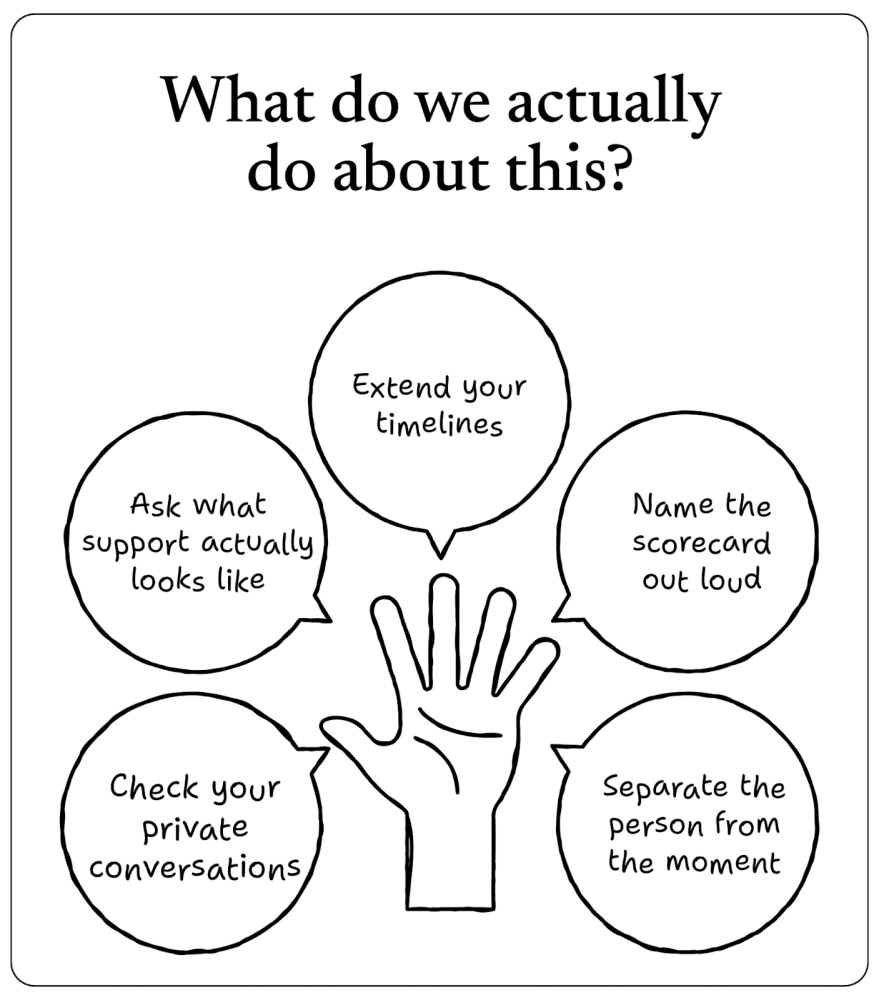
Extend your timelines. Double whatever feels reasonable. Three months feels like enough? Make it six. Six weeks feels generous? Push to twelve. The discomfort at those longer timelines? That's the cost of actual belief.
Name the scorecard out loud. Most leaders keep private tallies. "That's strike two." "One more and we need to talk." Make it visible. If you're tracking mistakes, they should know. Hidden scorecards kill trust faster than honest feedback.
Separate the person from the moment. One rough presentation doesn't mean someone can't present. Three mistakes in the same area means they're learning, not incapable. We collapse "struggling right now" into "not capable" way too fast.
Ask what support actually looks like. Not "do you need help?" (everyone says no). Ask "what would make the difference between figuring this out in three months versus six?" Most people know what they need. We just don't ask specifically enough.
Check your private conversations. If what you're saying behind closed doors doesn't match what you're saying to their face, that gap will cost you. Either the private assessment is premature, or the public support is performance. Fix the misalignment.
This isn't about lowering standards. It's about giving belief enough time to work before deciding it won't.
The companies that figure this out build something competitors can't replicate. Not better processes or cooler perks. Real belief that people can feel. And talented people don't leave places where belief is genuine.
"Do we believe in people" is not an abstract concept. The question is whether we're willing to stay uncomfortable long enough for that belief to actually produce results.
Belief costs something. It costs looking smart in the moment. It costs the clean story where the obviously right decision was made at the obviously right time. It costs comfort.
What it buys is harder to measure in the short term. But it might be the only thing that builds companies people actually want to stay at.

