“Aur Milega?”
Every electrician understands it. Every painter has negotiated with it. Every mechanic has heard it across a counter…
…yet most brands spend crores building loyalty programs that completely ignore how trade partners actually think, speak, and decide.
This blog is about why those two words trigger more loyalty than points, cashback, or catalogs ever could and what that reveals about the psychology most programs get dangerously wrong.
Here's the uncomfortable truth that most brand leaders discover too late: your loyalty program dashboard is a beautiful illusion.
Your loyalty dashboard shows 30,000 members.
Imagine a cricket stadium that claims 30,000 season ticket holders. On opening day, all 30,000 show up. The stadium looks packed, roaring, electric. Leadership takes photos for the annual report
But here's what actually happens:
After opening day, only 9,000 come back the next week. Of those 9,000, only 6,000 are actually watching the game. The rest are in the corridors, confused about where to sit. 15,000 people never came back after that first match. And 15,000 to 18,000 people never even went to the stadium after buying the ticket.
The stadium still claims 30,000 members. The parking lot tells a different story.
Your loyalty dashboard is that stadium. The numbers are real. The engagement is not.
Weekly engagement sits below 30%. Only 20% of your database actively participates. 50% of members became inactive the moment the initial excitement wore off. And 50 to 60% of people who signed up never took their first action.
The real problem is the gap between what leadership thinks is happening and what's actually happening on the ground.
This gap is the entire reason a diagnostic tool called the Ground Truth Framework exists. It forces you to ask one simple question: What does your field team actually see versus what your boardroom believes?
When you run this exercise with electrical companies, you get answers like:
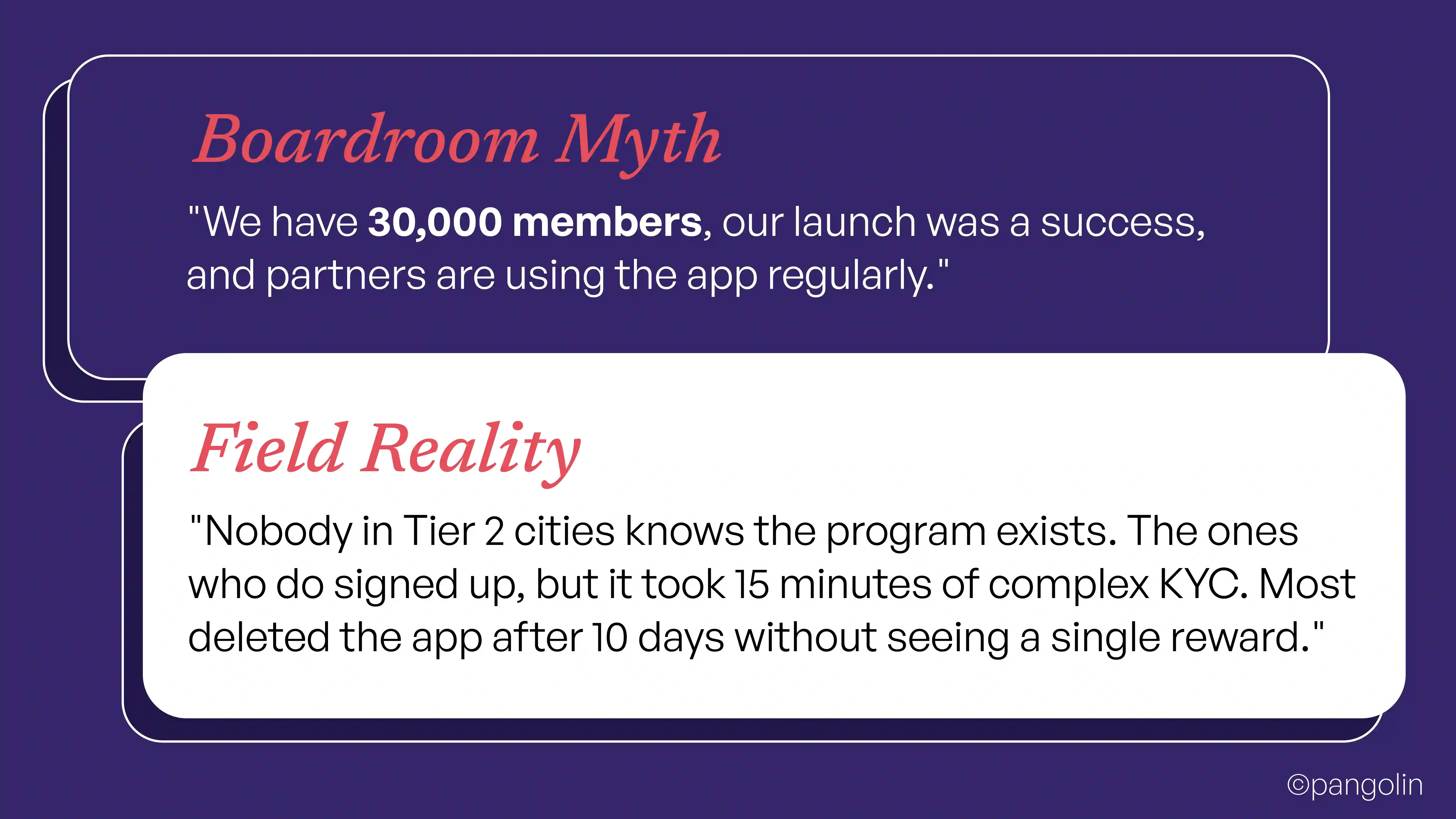
That gap is where programs leak and it's massive.
Understanding why loyalty programs fail requires understanding something about human brains that most marketers ignore completely. Behavioral science doesn't work the way intuition suggests it should.
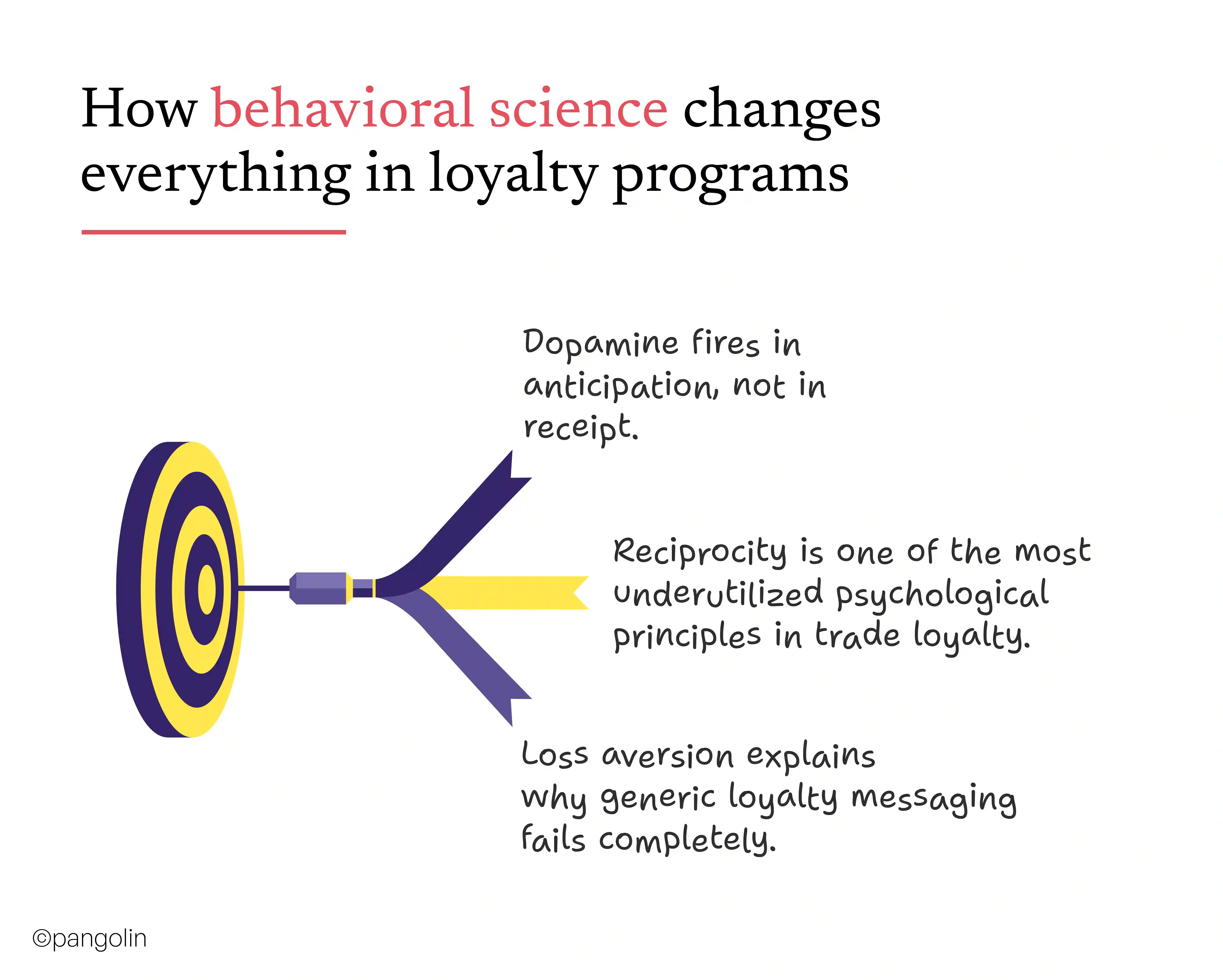
Dopamine fires in anticipation, not in receipt. This is critical. When a trade partner knows that scanning an invoice will give him instant points that hit his wallet in real time, that predictable anticipation creates a behavioral loop that keeps him coming back. But when rewards take 15 days to post or redemption thresholds feel impossibly far away, the dopamine cycle breaks before a habit ever forms.
One electrical company we looked at had built a program where points were posted after 15 working days. Painters would scan invoices with enthusiasm, then wait. And wait. By day 10, they started checking the app obsessively. By day 16, when points finally landed, that win had lost all emotional resonance. The anticipation window had closed.
Reciprocity is one of the most underutilized psychological principles in trade loyalty. People feel obligated to return favors, and this principle becomes exponentially more powerful when the initial gift feels personal and unexpected.
When you offer an electrician technical training that makes him more competent in front of customers, or certification that signals his expertise to his clients, you're not just giving points. You're giving respect. That creates a reciprocal loyalty no cashback scheme can manufacture.
Loss aversion explains why generic loyalty messaging fails completely. The pain of losing something is 2.5 times stronger than the pleasure of gaining something of equal value.
But here's where it gets interesting. Instead of building FOMO around what trade partners might miss if they don't join your program, the most successful campaigns flip loss aversion into continuous gain. They shift from "What are you missing?" to "You will always get more."
That's exactly what happened with "Aur Milega." Every electrician in India understands it as a standing promise.
You will get more.
You will continue to get more.
Loss aversion flips from fear into confidence.
Most loyalty programs fail because they're designed in boardrooms by people who have never spent a day on a job site. The gap between how leadership imagines trade partners work and how they actually work is enormous
An electrician manages 5 to 6 job sites daily with his phone battery at 2% by noon and WiFi that barely exists at construction sites. He relies on dealer advice and WhatsApp messages when he can get a signal. He doesn't have time for complex apps or 15-step onboarding processes.
A painter works on-site from 7 a.m. to 6 p.m. with limited digital literacy. He follows contractor instructions because he can't afford friction. He needs visible status symbols, immediate rewards he can understand, and interfaces in his language.
A mechanic handles 10 to 15 jobs daily with paper-thin margins. He's a trusted advisor who can't recommend junk for points. He needs technical training he can actually use, parts he genuinely believes in, and family health benefits that protect his livelihood.
A small retailer keeps his shop open 12 hours daily serving 100+ customers while managing working capital stress. He cares about margin support that helps his business grow and credit flexibility that helps him manage cash flow, not points he can't redeem for 60 days.
The motivation hierarchy for trade partners is nothing like B2C consumers. At the base level, they need immediate income. That's hygiene. For engagement to happen, they need skill development and business tools. But loyalty only forms when you deliver certification, peer recognition, and community that becomes part of their identity.
This is why generic campaigns fail and persona-specific campaigns dominate. When you treat electricians, painters, and mechanics as the same audience, you're missing 80% of what drives their actual behavior.
Here's something that separates programs that survive from programs that die: the shift from "I earn from this brand" to "I am part of this brand."
When an electrician displays a Pro Tier certification badge at job sites, he's not showing off points. He's signaling competence and professionalism to every customer he meets. That badge becomes part of his professional identity.
Emotionally engaged partners show 82% higher retention rates. Their Net Promoter Scores climb above 50 while transactional programs languish at 30 to 40. Their lifetime value multiplies 2 to 3 times because they become advocates who refer peers, defend your brand during competitive attacks, and push premium products without needing additional incentives.
This is why training modules, certifications, and learning paths matter more than catalog rewards. Partners don't want more stuff. They want to become better professionals. They want to feel respected. They want community.
Look at what actually worked in the market.
Castrol FastScan enrolled over 150,000 mechanics not by offering better points but by solving their cash flow stress, reducing payment cycles from 60 to 90 days down to minutes.
Bosch built tiers where the real stickiness came from technical training and support, with tier badges becoming status symbols. Asian Paints trained 156,000 painters with skill development they could monetize immediately by charging higher rates.
Every program that moved the needle did it by addressing respect, growth, and status.
The Ground Truth Framework breaks down a partner's journey into six distinct stages, and at each stage, there are specific behavioral levers that work.
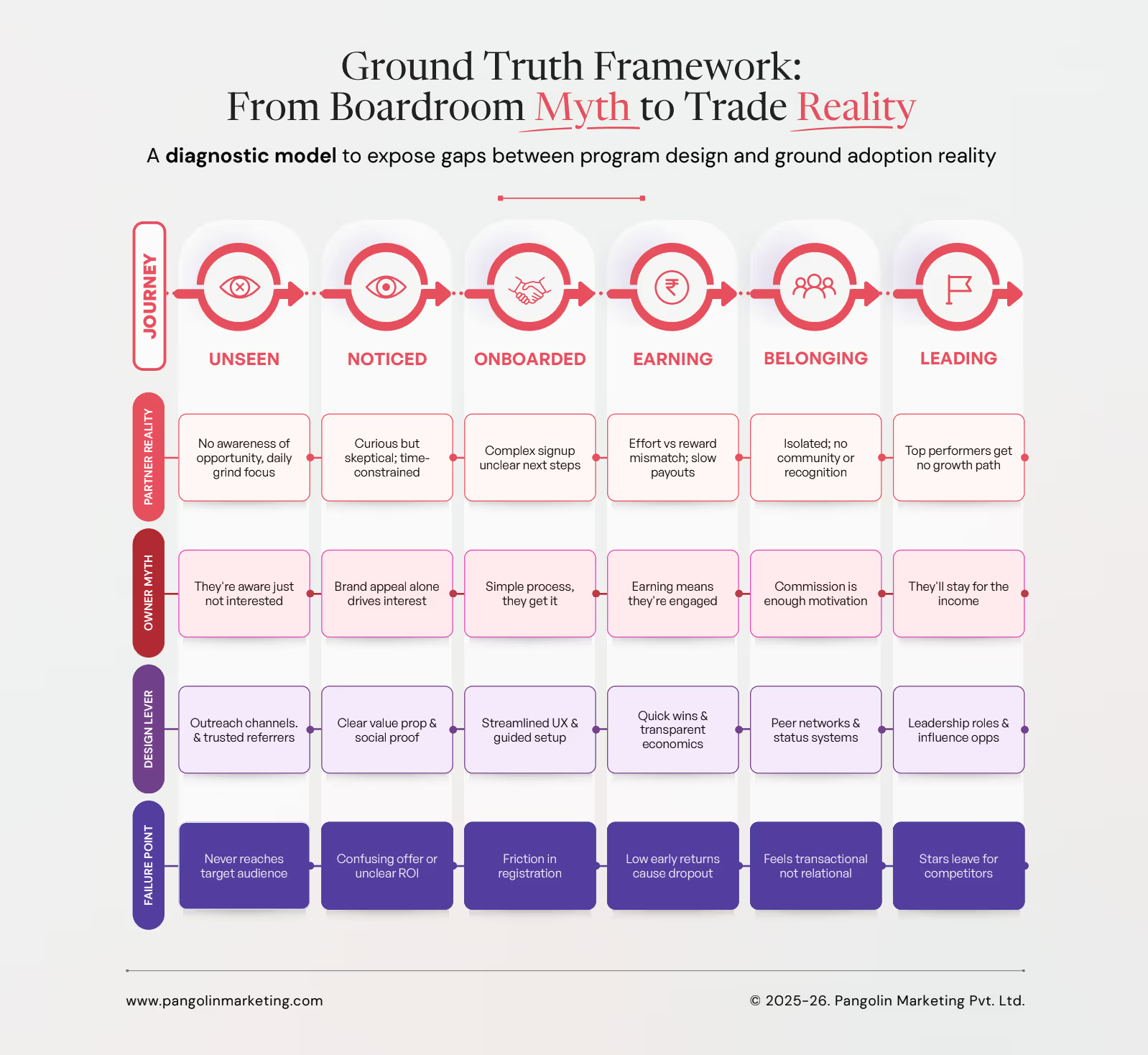
Unseen to Noticed: Trade partners need to hear about your program from sources they trust, not brand messaging. Peer endorsement from electricians at supply shops, visible signs at dealer counters, WhatsApp shares from friends all work better than traditional advertising.
Noticed to Onboarded: Reduce friction to near zero. Mobile number and OTP. Done. If you ask for Aadhaar, PAN, bank details, and a workshop photo during signup, you've already lost half your prospects in the first five minutes.
Onboarded to Earning: Deliver the first emotional win within 24 to 48 hours. This is non-negotiable. When a painter scans an invoice and nothing happens for days, he assumes the system is broken and deletes the app. When he scans and points hit his wallet in real time, a behavioral loop starts forming.
Earning to Belonging: Add tiers, badges, training, and family benefits. This is where transaction becomes identity. Bronze, Silver, Gold, Platinum tiers signal progression. Certifications signal expertise. Family health benefits signal that you care about their lives, not just their purchases.
Belonging to Leading: Turn emotional loyalty into advocacy. Make referrals easy and rewarding. Invite top partners to advisory councils. Feature their stories in campaign materials. Let them shape product development.
At each transition, different psychological principles apply. At Unseen to Noticed, social proof and loss aversion drive behavior. At Earning to Belonging, status and identity take over. Most programs invest heavily in launch excitement and then disappear, missing the critical work of habit formation, belonging, and advocacy.
When you understand the psychology of trade loyalty, "Aur Milega" as a campaign line makes complete sense. It's not clever because it's witty. It's clever because it's behaviorally precise.
It's simple. Two words. No explanation needed.
It's unexpected. Instead of corporate jargon about "loyalty rewards," it uses everyday bargaining language.
It's concrete. Every trade partner has said or heard this phrase a thousand times in actual negotiations.
It's credible. It carries cultural weight that brand messaging could never manufacture.
It's emotional. It transforms a transactional interaction into a psychological promise about continuous value.
It's story. Every time a partner says "Aur Milega," they're reinforcing the narrative that this program is different, that it respects how they think, and that it delivers ongoing value.
When the phrase gets tested in field research with electricians, people sit up straighter. They smile. They say it back. They get it immediately not as marketing but as an acknowledgment of how they actually negotiate and work.
The program that built around this principle didn't treat it as a tagline for ads. It treated it as a north star for decision-making. Every campaign, every feature, every communication asked one question: Does this deliver on the promise of "Aur Milega?"
That alignment between psychological insight and execution is what created impact.
Emotional loyalty isn't something you hand off to an agency and forget. It requires cross-functional alignment across sales, marketing, tech, finance, and operations.
Sales teams need enablement with scripts and materials that make them confident explaining the program to distributors and retailers. If sales doesn't believe in it, the program dies in the field.
Marketing teams need to produce vernacular content at scale including reels, WhatsApp templates, training modules in five languages, recognition designs, and engagement calendars. Generic assets don't work because they don't respect the reality of who partners are.
Tech teams need to deliver mobile-first experiences optimized for low-end Android phones with patchy connectivity. Under five minute signup. Real-time points posting. Instant redemption. No friction.
Finance needs to model ROI beyond vanity metrics including retention, customer lifetime value lift, incremental revenue, and advocacy impact. Without this, loyalty remains a cost center instead of becoming a growth engine.
Most manufacturers lack the in-house capability to do all of this. Ground research in 5 to 10 regions. Stage-specific campaign design. Vernacular content production and localization.
Always-on orchestration and optimization. Community management and regional events.
This is exactly where the gap emerges between what needs to happen and what internal teams can realistically execute. It's not a judgment on capability. It's a reality of bandwidth and specialized expertise.
Here's the fully expanded "Operating Model" section with subheadings, deeper detail, and credible sources woven in:
Here's what kills most programs: they're designed as marketing campaigns when they should be designed as operating models.
Emotional loyalty isn't something you hand off to an agency and forget. It requires cross-functional alignment across sales, marketing, tech, finance, and operations.
The most successful loyalty programs in manufacturing treat the program not as a promotional add-on but as a revenue system with clear ownership, governance, and accountability across departments.
Sales teams need enablement with scripts, materials, and confidence-building tools that help them explain the program to distributors and retailers without fumbling.
If sales doesn't believe in the program, it dies in the field. Field reps won't push enrollment if they see it as extra work or if they don't understand how it helps them hit targets.
What sales enablement actually looks like in loyalty activation:
Without this, your sales team becomes the biggest blocker to adoption, not the accelerator.
Marketing teams need to produce vernacular content at scale, including reels, WhatsApp templates, training modules in five languages, recognition designs, and engagement calendars.
Generic assets don't work because they don't respect the reality of who partners are.
A mason in Tamil Nadu doesn't respond to the same visual style, tone, or messaging as an electrician in Punjab. Yet most brands produce one English creative set and "translate" it into regional languages without adapting context.
What always-on marketing orchestration requires:
Most internal marketing teams simply don't have the bandwidth or specialized skills to produce 40 to 50 unique assets per month across 5 languages while managing all other brand and performance work.
Tech teams need to make sure that mobile-first experiences work well on low-end Android phones with spotty connectivity.
Sign up in less than five minutes. Posting points in real time. Instant cash out.
This is not something you can live without.
The average partner in India's building materials trade has a phone with 16GB to 32GB of storage, uses 2G or 3G networks a lot, and uses a lot of apps for work. If your loyalty app is 80MB, needs you to log in all the time, or takes 30 seconds to load the QR scanner, it will be deleted.
What it actually takes to design loyalty tech for manufacturing:
Most tech teams in businesses are making things for business users who have stable WiFi. The design philosophy for loyalty platforms for painters and masons is very different.
Finance needs to see loyalty not as a marketing spend line but as a channel investment with measurable contribution to top-line and bottom-line outcomes.
Finance needs to look at more than just vanity metrics when modeling ROI. It should also look at things like retention lift, customer lifetime value increase, incremental revenue per activated partner, and advocacy impact.
If you don't do this, loyalty will continue to be a cost center instead of a growth engine.
Most CFOs only look at loyalty programs in terms of the cost of the catalog and the cost of running the program. If the program has 30,000 members and a ₹2 crore budget, the first thing that comes to mind is "What's the return?"
But if you can only show how many people signed up and how many people redeemed, you're giving the CFO a reason to cut the budget.
A business case for loyalty linked to revenue looks like this:
Companies that focus on customer value and hold each other accountable across departments see 2.4 times the revenue growth and 2 times the profit growth of companies that don't do these things.
Finance shouldn't see loyalty as a line item in the marketing budget; it should see it as a channel investment that can be measured in terms of its effect on the top and bottom lines.
Free Download : Trade Loyalty Leakage Template
Most manufacturers lack the in-house capability to do all of this consistently.
Ground research in 5 to 10 regions. Stage-specific campaign design. Vernacular content production and localization. Always-on orchestration and optimization. Community management and regional events.
This is exactly where the gap emerges between what needs to happen and what internal teams can realistically execute. It's not a judgment on capability. It's a reality of bandwidth and specialized expertise.
What a full manufacturing loyalty activation system actually requires:
Very few internal teams have the depth across GTM strategy, content production, tech optimization, sales enablement, and always-on community management to run all of this without external support.
Brands that treat loyalty activation as an operating model rather than a marketing project create systems with clear governance, cross-functional accountability, and measurable contribution to revenue goals.
Those that treat it as a one-time campaign launch and hand it to a single marketing manager to "manage" end up with exactly what they started with: a loyalty program that looks good in the deck and feels dead in the field.
Most manufacturers don't have the resources in-house to do all of this all the time.
Do research on the ground in 5 to 10 areas. Designing campaigns for specific stages. Making and localizing content in the vernacular. Orchestration and optimization that are always on. Managing the community and putting on events in the area.
This is where the difference between what needs to be done and what internal teams can actually do starts to show. It doesn't mean you're not capable. It's a fact of bandwidth and specialized knowledge.
What a complete loyalty activation system for manufacturing really needs is:
There aren't many internal teams that have the knowledge and experience in GTM strategy, content production, tech optimization, sales enablement, and always-on community management to do all of this on their own.
Brands that see loyalty activation as a way of doing business instead of a marketing project set up systems with clear rules, shared responsibility, and a way to measure how much they help meet revenue goals.
If you treat it like a one-time campaign launch and give it to one marketing manager to "manage," you'll end up with the same loyalty program that looks good on paper but feels dead in the field.
Read the “From Cashback to Community” whitepaper to see the complete economics of emotional loyalty. Understand the CLV uplift, engagement curves, and real numbers behind brands like GM Modular and Asian Paints that moved from discounts to defensible moats.
Download the whitepaper and see where your program is leaking value.
Every manufacturer faces a strategic choice right now.
Path A continues the price war. Better credit terms. Slightly higher cashback. More generic rewards. It looks easier and more familiar. But it leads to commoditization, constant competitive pressure, and shrinking margins. Eventually, you're competing on pure price with competitors who have deeper pockets.
Path B is harder at first. It requires behavioral science. Ground research. Cross-functional alignment. Building community, not just campaigns. But it creates defensible moats competitors can't replicate with price alone.
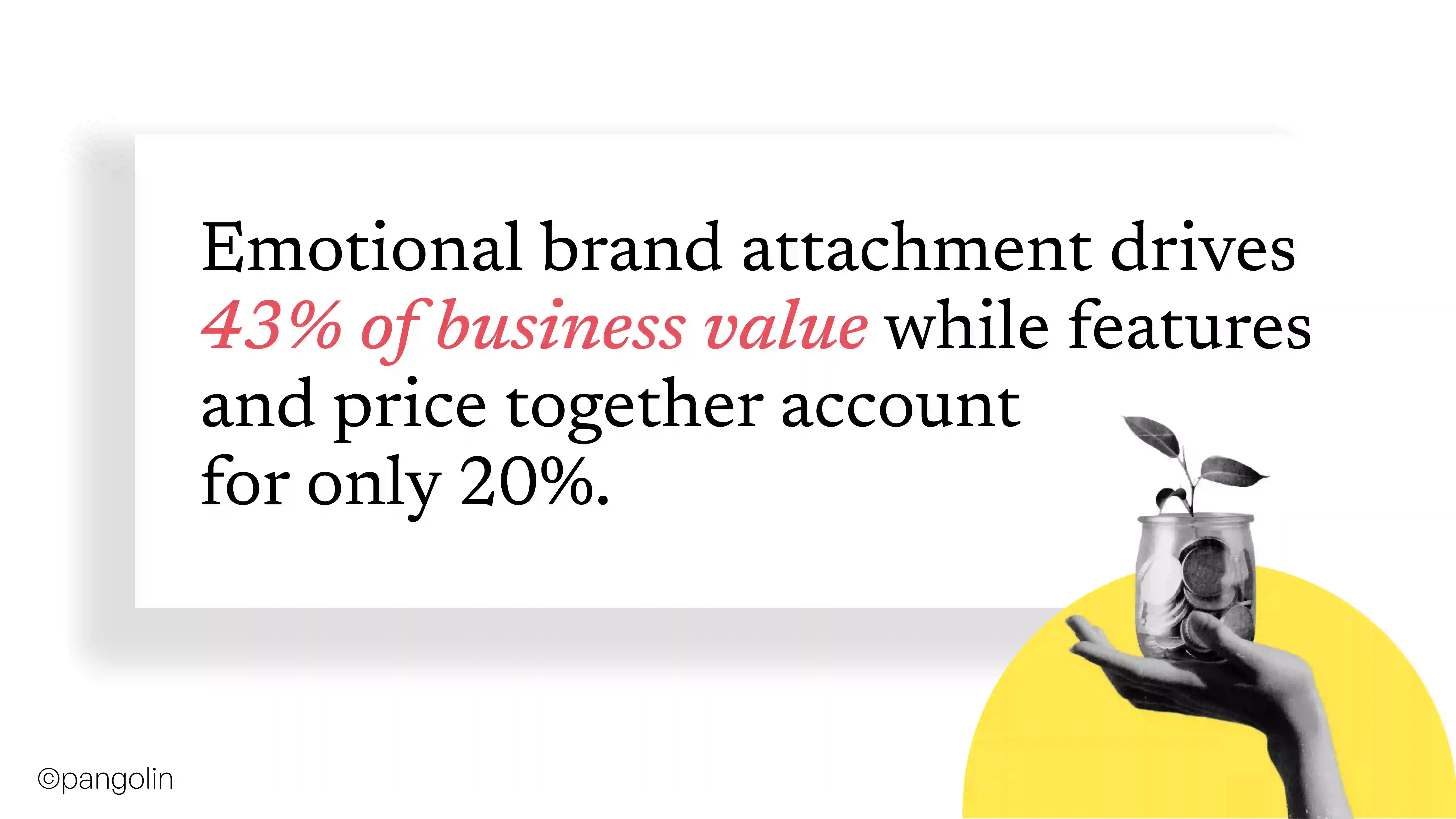
Emotional attachment drives 43% of business value. When loyalty rests on identity, learning, and community instead of points, switching costs move from money to something much more valuable. It costs a partner part of their professional identity to leave.
Emotionally connected partners deliver 2.4 to 3 times higher lifetime value. They buy more often, accept premium products, tolerate occasional stock-outs, and stay longer.
The brands that move first establish category ownership. Once electricians or painters start seeing your program as "my community" instead of "another scheme," competitors look like late arrivals trying to catch up.
From cashback to community isn't a marketing tweak. It's a fundamental rethinking of the manufacturer-partner relationship. The cost of staying transactional is commoditization and constant risk. The prize for moving first is a moat made of people, not points.
Your program is built on behavioral science or it's built on luck. The difference between a loyalty program that fails and one that creates a community shows up in the psychology of how you designed each transition point, each touchpoint, each interaction.
If your program dashboard shows high enrollment but low engagement, you already know the answer. The gap between boardroom myth and field reality is too wide. The Ground Truth Framework will expose exactly where to act.
Read the "From Cashback to Community" Whitepaper to understand the full model: how emotional loyalty drives 2-3x CLV, how Castrol and Asian Paints achieved 40% plus engagement, and why the brands winning loyalty are not the ones with the biggest budgets, they are the ones with the clearest understanding of ground reality.
Let's talk about what your program actually needs to move from transaction to identity.

Aniket leads content marketing at Pangolin, writing and editing for B2B tech clients who need sharp messaging and consistent output. He came from journalism and brings that newsroom discipline to content work, turning drafts around quickly and keeping quality high.