TL;DR
“The first time someone handed me a certificate, my day rate went up.”
A painter in North India said this after completing an Asian Paints training program.
His rate went up because he could now hang a branded certificate at the site and tell homeowners, “I am a certified contractor.” Suddenly, he was the expert.
That is the quiet power of a well designed contractor loyalty ecosystem. It changes how the market sees your partners and how your partners see you.
Most building material brands say they run loyalty programs for contractors, painters, dealers and masons. Many have apps, QR codes and catalogs. But a lot of those programs are just more expensive discounts dressed up as “engagement.”
This blog is about the brands in paint, cement and tiles that are doing it differently. And how you can move from points to progress using manufacturing loyalty activation as a real growth lever.
From the boardroom, loyalty often looks healthy.
But when you talk to your sales team or sit with a contractor at a site, the story changes.
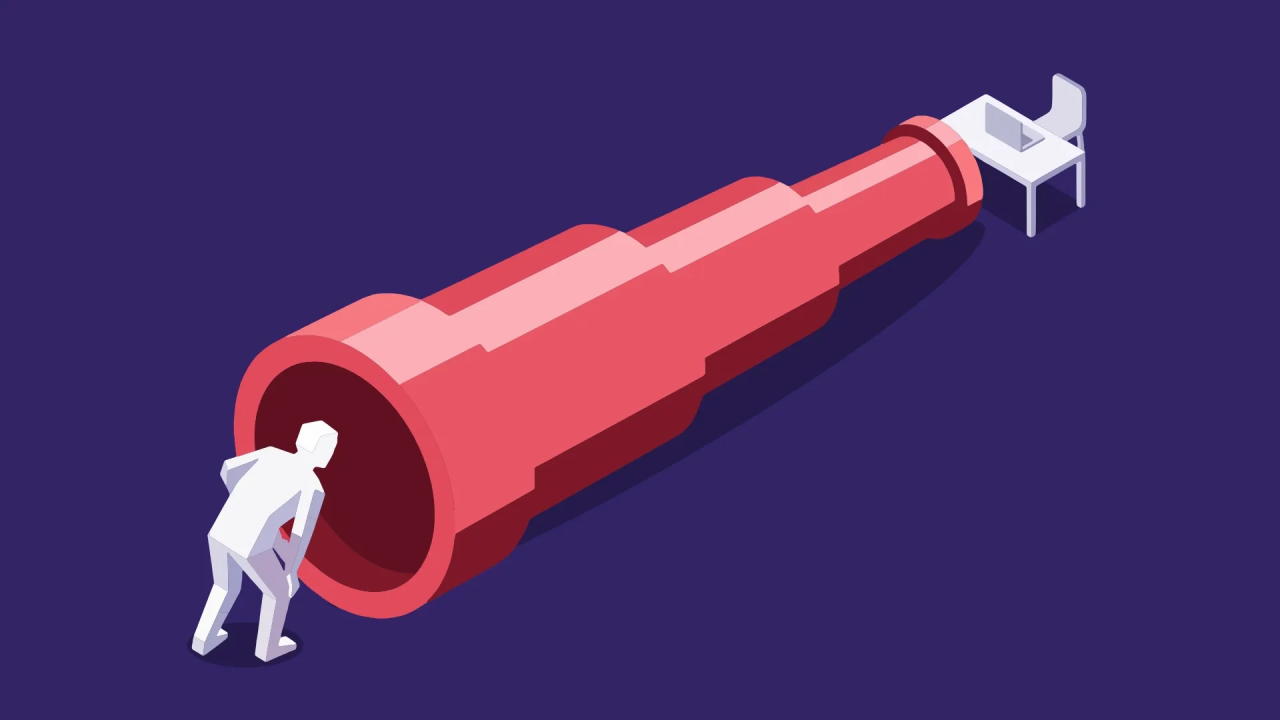
Pangolin Marketing calls this “The Loyalty Gap” the space between leadership’s belief and what trade partners actually experience on the ground.
An electrician may manage five to six job sites a day. His phone battery is almost dead by noon, the network is patchy, and he trusts his dealer and WhatsApp groups more than any app. A mason may never get around to completing a long KYC form. A paint dealer may enroll, but never bother scanning product codes because the process is clunky and the benefits feel vague.
Across B2B and manufacturing loyalty:
If you are running loyalty programs for paint and cement dealers, contractor incentive programs in India, or building material incentives for your trade ecosystem, that gap is probably costing real money.
Most loyalty programs in building materials look the same:
The assumption is simple. More cashback equals more loyalty. In practice, it usually equals more price wars.
Research on loyalty and emotional attachment shows that emotional brand attachment drives a far higher share of business value than features and price. In B2B and channel contexts, emotionally engaged partners show higher retention and stronger advocacy compared to purely transactional ones. Transactional loyalty makes it easy for partners to switch when a competitor offers a slightly better scheme.
In India’s building material ecosystem, that problem is amplified:
So if the goal is to win with manufacturing loyalty activation, adding more points is not the answer. You need to climb a benefits ladder from economic relief to professional growth to identity and community.
A simple way to think about contractor loyalty and building material incentives is to use a benefits ladder.
At the base, you have what everyone offers:
These still matter. In cement and paint loyalty programs, direct financial rewards are often the first hook. But they are not where loyalty is won. At this level, your loyalty program is a more complex discount engine.
The next rung is about making partners more effective in their work:
For example, several successful B2B programs in India have improved partner cash flow by reducing reimbursement times and enabling direct bank transfers through loyalty apps, which reduces financial stress and encourages daily use. Programs that simplify claims and reduce manual paperwork earn more trust and engagement.
This is where the story at the beginning lives.
Asian Paints did not build one of India’s strongest contractor ecosystems just by giving out more points. They invested heavily in structured training academies, certified workshops and hands-on demonstrations that made painters better at their craft and more valuable to homeowners. Their Colour Academy trained around 156,000 painters across 18 regions (2019).
That training does two things:
When training and certifications help partners charge higher rates and win better projects, loyalty shifts from “scheme” to natural preference.
At the top of the benefits ladder, loyalty becomes part of how partners see themselves:
Birla White’s Experts Club loyalty program, for example, has won multiple Gold awards for customer loyalty and retention. The company highlights how the program is built on “care for our painter and applicator partners” including industry first steps like creating fragrance putty exclusively to improve working conditions for painters, along with on ground livelihood support activities. Recognition from both the brand and industry reinforces pride and status.
When partners proudly display a certificate or tier badge, they are not just selling your brand. Your brand is endorsing them. That is the highest form of loyalty.
Download Whitepaper
Let us look at how three categories are using loyalty programs for paint and cement dealers, contractors and influencers to move up that ladder.
Asian Paints’ contractor ecosystem is a benchmark that many industry observers highlight.
Key elements that make it stand out in contractor loyalty:
The result is a contractor incentive environment where loyalty is tied to growth. Program benefits help contractors win trust with homeowners who often rely heavily on contractor recommendations for brand choice in home improvement.
Cement brands in India have also leaned into contractor loyalty and building material incentives.
These are contractor loyalty designs that recognise the real influencer in the trade ecosystem and reward the person actually doing the work.
Tiles and ceramic brands are pushing into mason and contractor incentives as well.
The pattern is familiar now. Leaders in the category are moving beyond simple point programs to training led engagement and frictionless tech tuned to how contractors and masons actually live and work.
Within the world of contractor incentive programs in India, one story is especially relevant when you think about emotional loyalty.
GM Modular, a leading electrical brand, struggled with low adoption and high churn in its old trade loyalty program. Cashback and discounts created transactional relationships that made it easy for electricians, retailers and wholesalers to switch based on marginally better offers.
Pangolin worked with them to relaunch the Bandhan program around a culturally loaded phrase: “Aur Milega”.
In everyday bargaining, “Aur milega?” is a way to press for more. The campaign flipped that into a promise that with Bandhan, “You will always get more.” The phrase tapped into familiarity and reframed it as a standing claim of respect, progress and community.
Some key moves from that campaign:
Before public launch, the Aur Milega activation already drove record app downloads, QR scan rates and repeat engagement in internal tests, and senior leadership compared its cultural resonance to famous mass campaigns in Indian advertising.
The lesson for manufacturing loyalty activation is simple. Your best contractor loyalty lever might not be a bigger discount. It might be a sharper story that feels true in your trade ecosystem and unlocks pride and aspiration.
So how do you turn these patterns into a practical playbook for your own building materials loyalty activation?
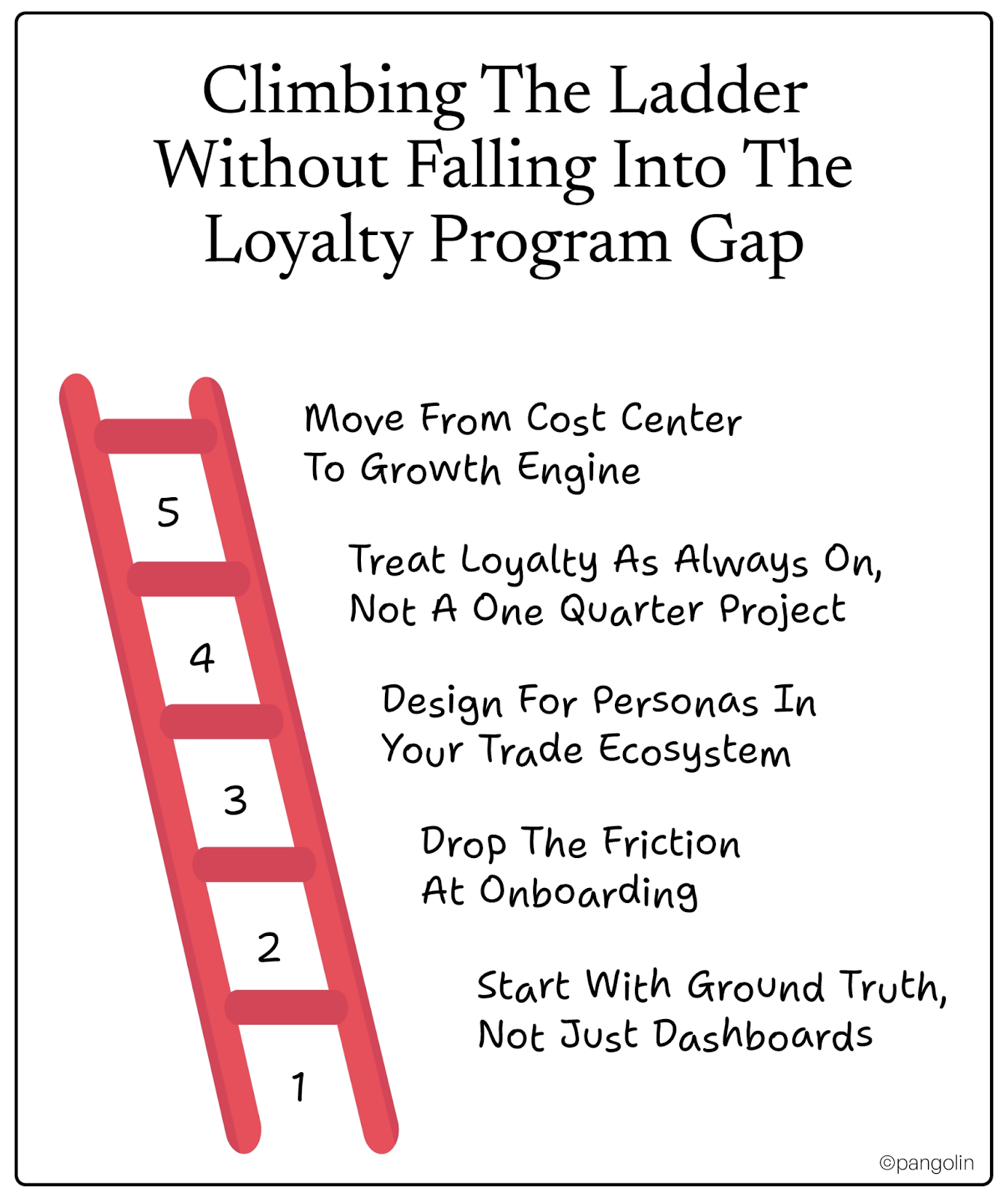
Many B2B loyalty programs fail because teams measure success by total signups rather than active usage and behavior change.
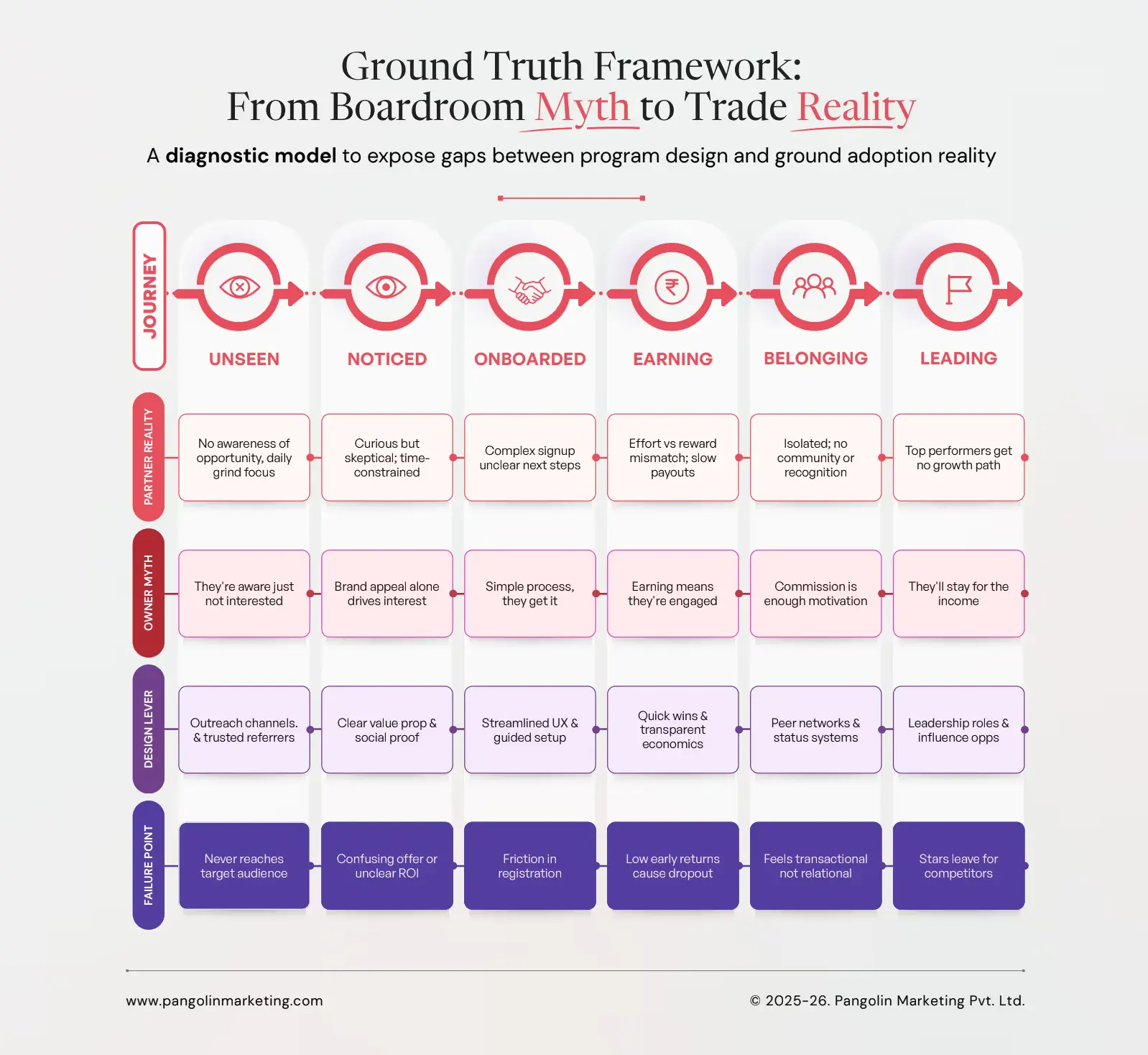
A strong starting point is to audit your program across six adoption stages that Pangolin highlights: Unseen, Noticed, Onboarded, Earning, Belonging and Leading. At each stage, compare the story in the deck with what partners actually say and do.
That diagnostic work reveals where you are losing contractors and dealers:
Once you know where the leak is, you can design stage specific fixes instead of throwing more points at the problem.
In many building material loyalty programs for paint and cement dealers and contractors, the onboarding journey looks like this:
By the second screen, a large share of potential users has already dropped off.
A better pattern is progressive profiling:
At that point, there is money in the wallet and motivation to complete the process. This is especially important in contractor incentive programs in India where time, device quality and network conditions are all constraints.
Lumping dealers, painters, masons and electricians into one segment is a fast path to low engagement.
Different personas in the trade ecosystem care about different things:
Manufacturing loyalty activation works best when your messaging, incentives and tech journeys are tuned to each persona. This is where thoughtful contractor loyalty design and building material incentives aligned to real drivers can change behavior.
A lot of loyalty schemes in building materials are launched with great fanfare and then starved of attention. By month four, they feel abandoned.
High performing programs are managed more like media channels:
This “always on” mindset keeps your program visible and prevents habit from breaking.
Finally, you need to reframe the program’s role in the business conversation. That is where value proposition clarity matters.
The most effective trade loyalty initiatives:
When your internal story shifts from “we need more budget for gifts” to “here is how this system is lifting channel revenue and stabilizing partner behavior” you stop fighting for survival and start building a moat.
Many manufacturing brands already have decent platforms, apps and catalogs in place. The missing piece is usually a GTM and activation system that connects boardroom ambition to job site reality.
Pangolin focuses on exactly that:
For a Head of Marketing or VP Marketing in paint, cement or tiles who is tired of pushing contractor incentive programs that look good in reports but feel dead in the field, that difference matters.
Manufacturing loyalty activation is no longer about finding the biggest catalog or the flashiest app. It is about climbing the benefits ladder so that your loyalty program:
When that happens, your brand is not just the logo on the bag or the tin. It becomes the partner they credit when they tell their own success stories.
And that is the kind of loyalty no discount can buy.
The gap between what your loyalty dashboard shows and what your field sales team knows is real. It's costing you margin, share of wallet, and the competitive advantage you could have if your program actually activated as designed.
The brands winning in paint, cement, and tiles right now are not the ones with the biggest budgets or the most features. They're the ones who understood that manufacturing loyalty activation is not a marketing project. It's a business system that requires ground truth, persona-led design, behavioral science, and cross-functional alignment.
The first step is simple.
Run the diagnostic across your current program. Compare what your enrollment metrics say versus what your dealers, electricians, painters, and masons actually experience. Find the leak points at each adoption stage. Once you see the gap clearly, fixing it becomes a business case, not a marketing wish.
Let's diagnose where your program is really losing value and build the playbook to fix it.